
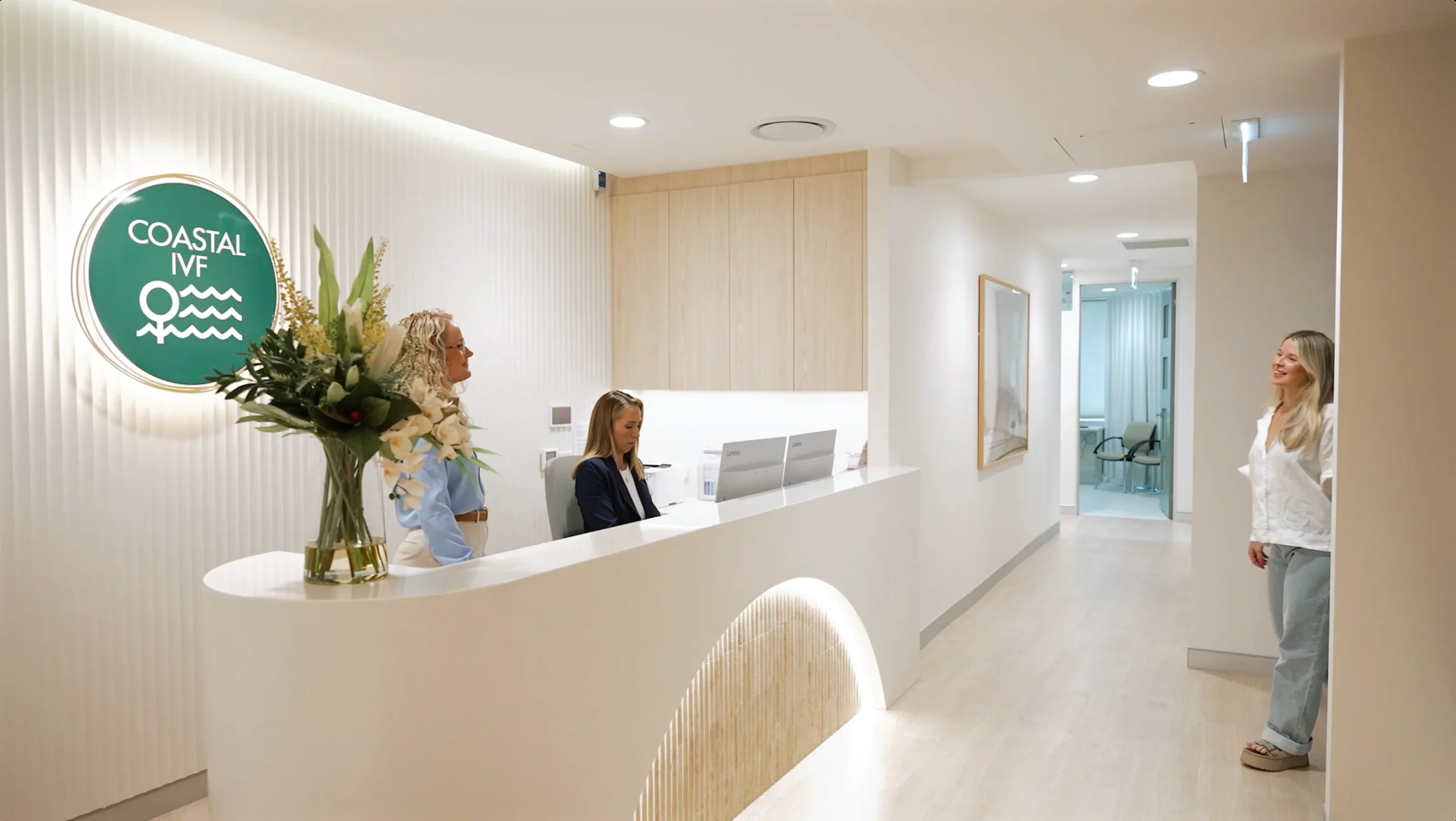
Redefining women’s health care
Comprehensive fertility, obstetric and gynaecology care that looks deeper to find causes, not just treat symptoms.
ETHOS
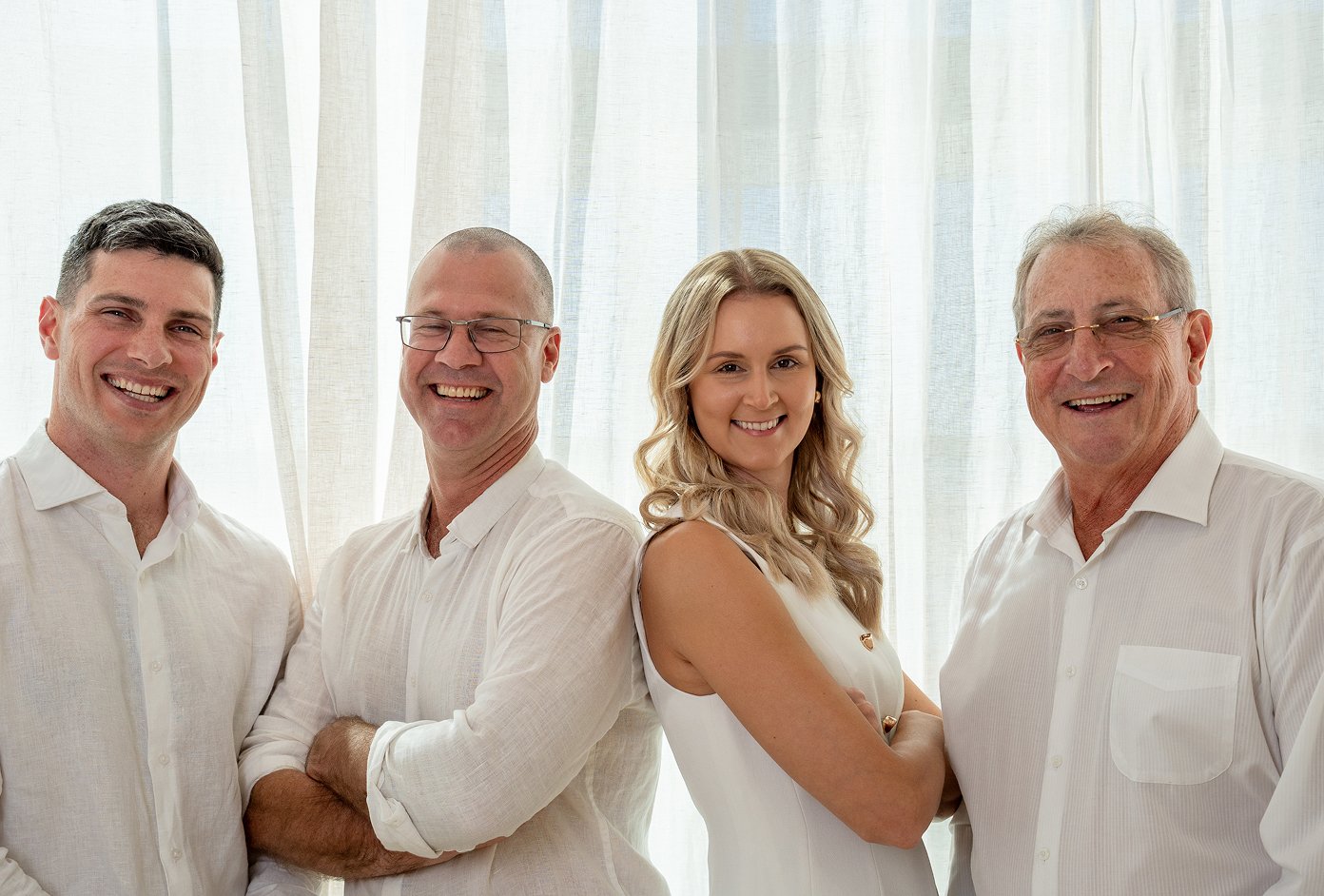
Founded on clinical precision, continuity, and genuine connection. Coastal IVF goes beyond treating symptoms, finding causes and tailoring care for every stage of women’s health.
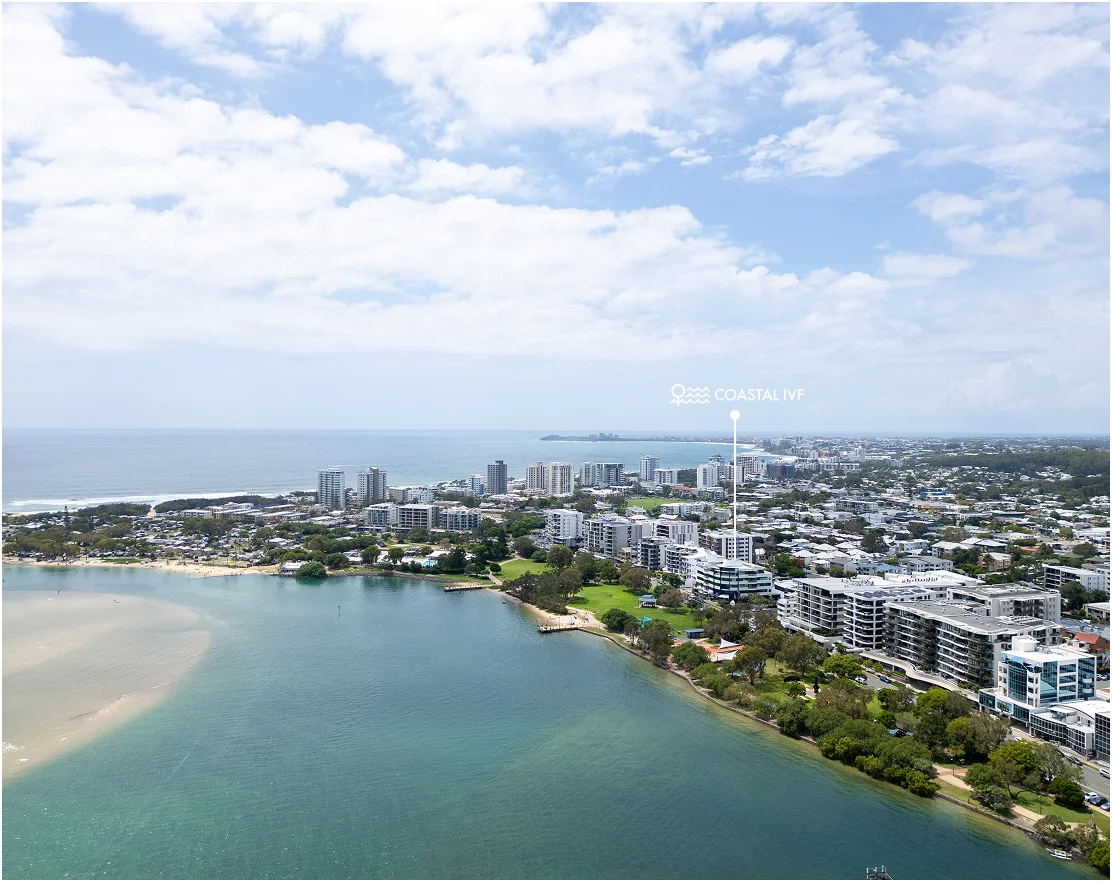
Founded in 1996, Coastal IVF was the first fertility clinic established on the Sunshine Coast. As pioneers in reproductive medicine, Dr Paul Stokes and embryologist Peter Jackson created a program that has helped countless individuals and couples grow their families. Located in Maroochydore, our clinic brings together leading specialists, advanced technologies and a personalised approach designed around you. From fertility treatment and obstetrics to robotic and micro-laparoscopic surgery, we offer a complete spectrum of care with proven results and the confidence of our IVF Guarantee.
READ MORESpecialist-led care for every stage of your journey
Our services are designed to support you with clarity, precision and compassion. Whether you are just starting to explore your fertility or preparing for birth, our team is here with the expertise and continuity you deserve.
BOOK AN APPOINTMENT-
In Vitro Fertilisation (IVF)
IVF stimulates the ovaries to produce multiple eggs, which are collected and fertilised in a lab. Embryos are then transferred to the uterus to achieve pregnancy. IVF is one of the most effective treatments available and is often used when other options haven’t worked, or in cases of blocked tubes or male infertility.
In Vitro Fertilisation (IVF)
IVF stimulates the ovaries to produce multiple eggs, which are collected and fertilised in a lab. Embryos are then transferred to the uterus to achieve pregnancy. IVF is one of the most effective treatments available and is often used when other options haven’t worked, or in cases of blocked tubes or male infertility.
Explore -
Intra-Cytoplasmic Sperm Injection (ICSI)
ICSI involves injecting a single sperm directly into an egg to aid fertilisation. It’s especially useful for low sperm count, poor sperm motility, or when sperm must be surgically retrieved. This precise technique improves fertilisation outcomes and increases the chance of healthy embryo development.
Intra-Cytoplasmic Sperm Injection (ICSI)
ICSI involves injecting a single sperm directly into an egg to aid fertilisation. It’s especially useful for low sperm count, poor sperm motility, or when sperm must be surgically retrieved. This precise technique improves fertilisation outcomes and increases the chance of healthy embryo development.
Explore -
Ovulation Induction and IUI
OI uses medication to stimulate egg release, while IUI places prepared sperm directly into the uterus at the most fertile time. Together, they improve the chance of conception in a simple, minimally invasive way, often recommended for ovulation issues, mild male infertility, or unexplained fertility challenges.
Ovulation Induction and IUI
OI uses medication to stimulate egg release, while IUI places prepared sperm directly into the uterus at the most fertile time. Together, they improve the chance of conception in a simple, minimally invasive way, often recommended for ovulation issues, mild male infertility, or unexplained fertility challenges.
Explore -
Fertility Preservation (Egg Freezing)
Age is the most important factor in female fertility. Women are born with all their eggs, and both quantity and quality decline with time, especially from the mid-30s, when conception becomes harder and miscarriage risk increases.
Egg freezing allows women to preserve eggs at a younger age for future use. It offers flexibility and peace of mind, whether for personal, professional, or medical reasons.
Fertility Preservation (Egg Freezing)
Age is the most important factor in female fertility. Women are born with all their eggs, and both quantity and quality decline with time, especially from the mid-30s, when conception becomes harder and miscarriage risk increases.
Egg freezing allows women to preserve eggs at a younger age for future use. It offers flexibility and peace of mind, whether for personal, professional, or medical reasons.
Explore -
Donor Egg, Sperm and Embryo Programs
At Coastal IVF, our donor programs help individuals and couples build families through sperm, egg, and embryo donation. We provide personalised care, comprehensive screening, and compassionate support every step of the way.
Donor Egg, Sperm and Embryo Programs
At Coastal IVF, our donor programs help individuals and couples build families through sperm, egg, and embryo donation. We provide personalised care, comprehensive screening, and compassionate support every step of the way.
Explore -
Pre-Implantation Genetic Testing (PGT)
PGT screens embryos during IVF to detect genetic or chromosomal conditions before transfer. By selecting embryos with the best chance of leading to a healthy pregnancy, PGT helps reduce miscarriage risk and offers greater reassurance for patients with genetic concerns, advanced maternal age, or repeated IVF attempts.
Pre-Implantation Genetic Testing (PGT)
PGT screens embryos during IVF to detect genetic or chromosomal conditions before transfer. By selecting embryos with the best chance of leading to a healthy pregnancy, PGT helps reduce miscarriage risk and offers greater reassurance for patients with genetic concerns, advanced maternal age, or repeated IVF attempts.
Explore -
Pregnancy Care
Your pregnancy journey deserves continuity, expertise, and genuine care. At Coastal IVF, our specialist obstetricians, Dr Rob North, Dr Melissa Acreman, Dr Amanda Wee and Dr Ben Stokes, work alongside our experienced midwifery team to provide personalised care from conception to birth.
Pregnancy Care
Your pregnancy journey deserves continuity, expertise, and genuine care. At Coastal IVF, our specialist obstetricians, Dr Rob North, Dr Melissa Acreman, Dr Amanda Wee and Dr Ben Stokes, work alongside our experienced midwifery team to provide personalised care from conception to birth.
Explore -
Gynaecology Services
Comprehensive gynaecological care, delivered with precision and personal attention. From routine women’s health to advanced robotic and micro-laparoscopic surgery, our team provides world-class care in a boutique, patient-focused setting.
Gynaecology Services
Comprehensive gynaecological care, delivered with precision and personal attention. From routine women’s health to advanced robotic and micro-laparoscopic surgery, our team provides world-class care in a boutique, patient-focused setting.
Explore -
Robotic Assisted Surgery
Combining advanced technology with expert skill – robotic surgery offers unparalleled precision, minimal scarring, and faster recovery. Our highly experienced team were the first to perform robotic gynaecological surgery on the Sunshine Coast and continue to lead in the use of the da Vinci Xi system.
Robotic Assisted Surgery
Combining advanced technology with expert skill – robotic surgery offers unparalleled precision, minimal scarring, and faster recovery. Our highly experienced team were the first to perform robotic gynaecological surgery on the Sunshine Coast and continue to lead in the use of the da Vinci Xi system.
Explore -
Micro-Laparoscopy
Micro-laparoscopy uses ultra-fine 2 mm and 3 mm instruments to take minimally invasive surgery to the next level. Our skilled team specialises in this approach designed to reduce pain, minimise scars and accelerate recovery.
Micro-Laparoscopy
Micro-laparoscopy uses ultra-fine 2 mm and 3 mm instruments to take minimally invasive surgery to the next level. Our skilled team specialises in this approach designed to reduce pain, minimise scars and accelerate recovery.
Explore

Why Choose Coastal IVF?
A boutique, specialist-led clinic delivering care the way it should be: personal, precise, and proven.
-

Privately Owned, Purpose Driven
-

Focused on Underlaying Cause, Not Just IVF
-

Gentler, More Affordable First Steps
-

Complete Care One Beautiful Location
-

Leaders in Advanced Surgery
-

Deep Local Roots, Trusted for Decades
-

Continuity of Care, Always With Your Doctor
-

GP-Recommended, Patient-Endorsed
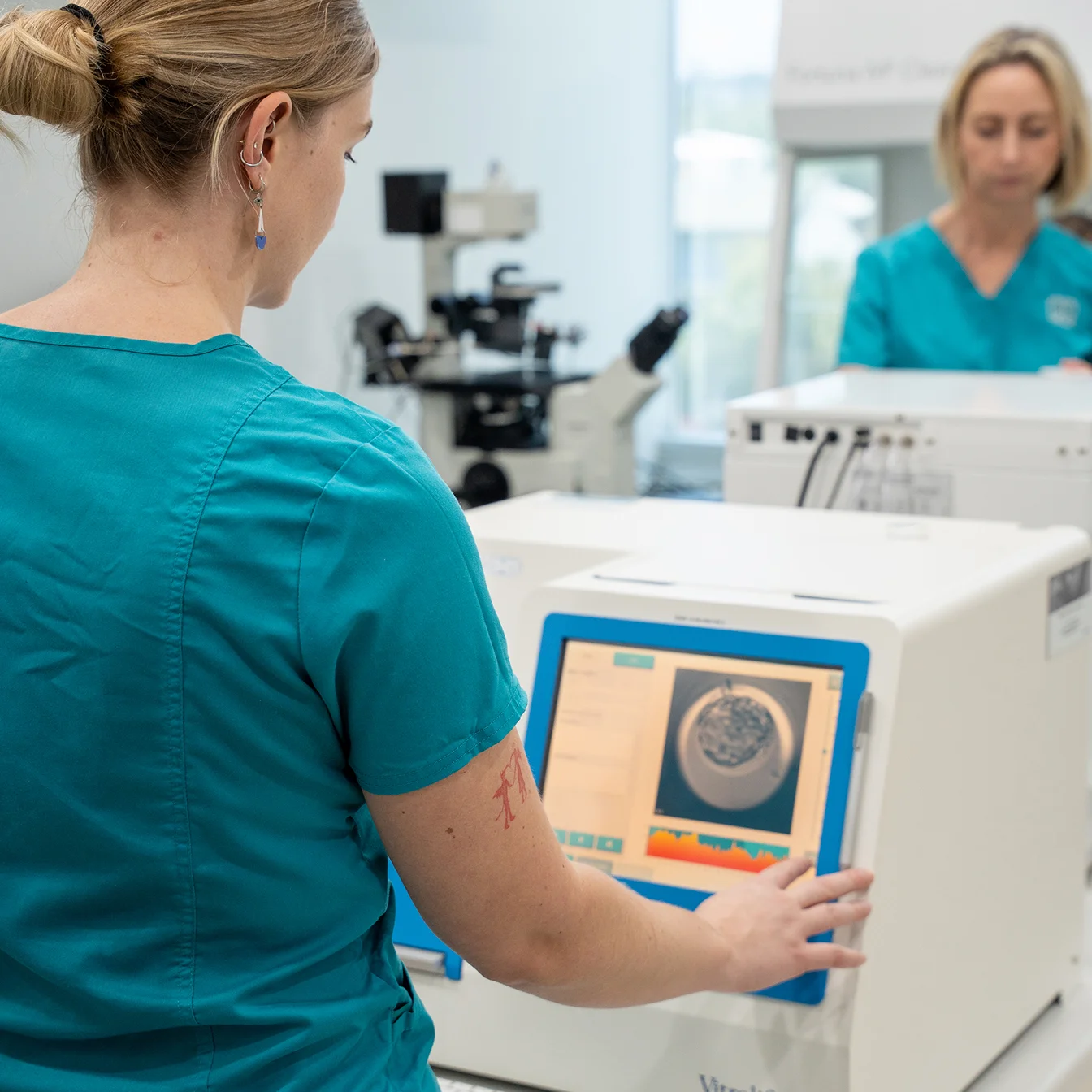
IVF and Fertility Treatments
Every fertility journey is unique. Our specialists tailor your treatment plan after a detailed assessment to give you the best possible chance of success.
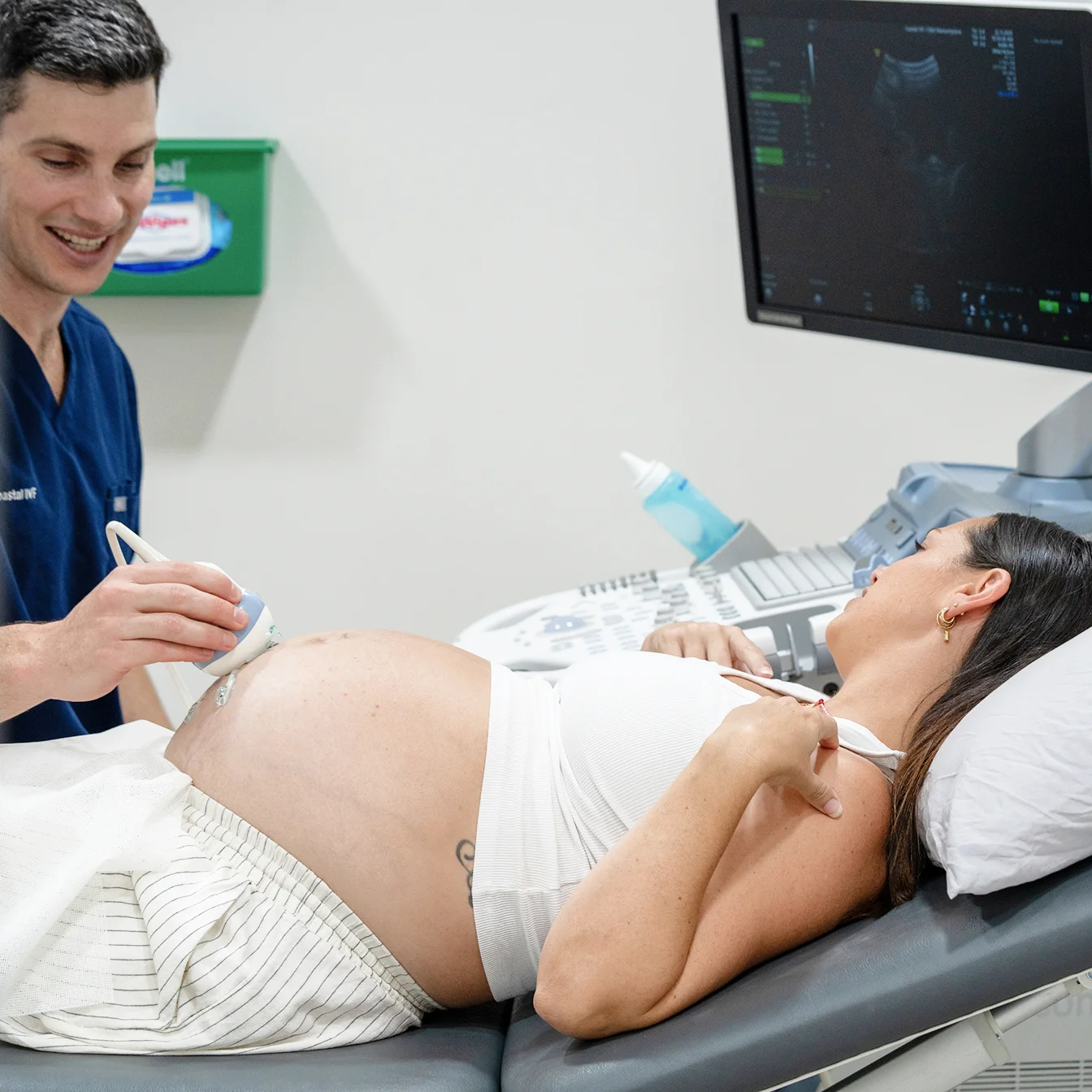
Private Pregnancy Care
At Coastal IVF, we offer a modern, personalised approach to private pregnancy care. Led by one of our experienced obstetricians, you’ll be supported by a consistent team of midwives and allied health professionals who work closely together to ensure you receive compassionate, expert care throughout your pregnancy.
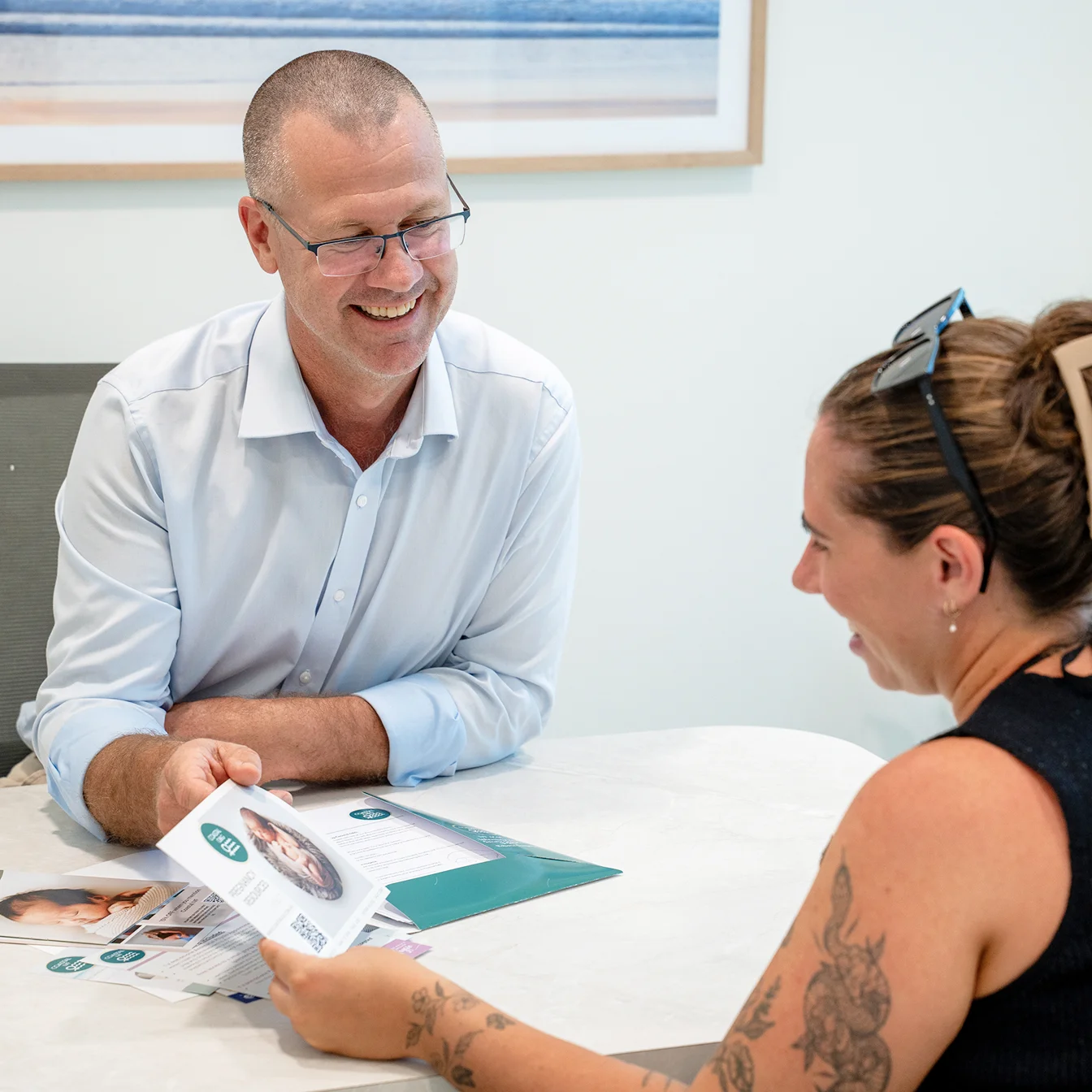
Specialist Gynaecology
At Coastal IVF, we combine advanced technology with a gentle approach to women’s health. We were the first on the Sunshine Coast to offer robotic surgery, and remain one of few clinics in Australia experienced in 3mm micro-laparoscopy, meaning smaller incisions, less pain, and a quicker return to normal life.
Your answers to frequently asked questions

-
When should I see a fertility specialist?
If you’ve been trying to conceive for 12 months (or 6 months if you’re over 35), or have known conditions such as irregular cycles, endometriosis, or male factor issues, it’s time to book a consultation.
-
How long does an IVF cycle take?
A typical IVF cycle takes 4–6 weeks from the start of medication to embryo transfer, though timing may vary depending on your individual plan.
-
What is the IVF Guarantee?
If your first full-fee IVF cycle does not result in a clinical pregnancy, your next cycle will be offered with a greatly reduced fee. Eligibility criteria apply, your clinician will explain these in detail.
-
How much does IVF cost and what does Medicare cover?
You’ll receive a written quote after your consultation, including all relevant Medicare item numbers. Most patients are eligible for Medicare rebates on fertility investigations and IVF treatment.
-
Do you offer egg freezing or fertility preservation?
Yes. We offer egg, sperm, and embryo freezing for both medical and elective reasons, using the same advanced laboratory techniques as our IVF program.
-
What types of patients do you care for?
At Coastal IVF, we offer a modern, personalised approach to private pregnancy care, led by one of our experienced obstetricians, Dr Benjamin Stokes, Dr Melissa Acreman or Dr Robert North. You’ll be supported by a consistent team of midwives, nurses and allied health professionals who work closely together to ensure you receive compassionate, expert care throughout your pregnancy.
-
I’ve stopped the pill and started bleeding before my IVF meds, is this normal?
Yes. A withdrawal bleed is common after stopping the oral contraceptive pill and won’t affect your IVF cycle.
-
Is spotting counted as day one of my period?
Usually no. Day one is the first day of full, red flow. If heavier bleeding starts after midday, the following day is considered day one. If unsure, contact our nurses.
-
What if my period starts on a weekend?
Call the clinic on Monday morning (before midday). Unless previously advised, do not start medication until you’ve spoken with a nurse.
-
What should I do if I miss a dose of medication?
Call our nursing team as soon as possible before taking further medication. Setting a daily alarm can help prevent missed doses.
-
Can I exercise during IVF treatment?
Gentle activity such as walking, swimming, or yoga is fine. Avoid strenuous or high-impact exercise during stimulation and after egg collection. If unsure, check with your clinician.
-
When can we have intercourse after embryo transfer?
You may resume intercourse when comfortable, unless advised otherwise by your doctor or nurse.
-
What happens to my eggs and sperm in the lab?
Once collected, eggs and sperm are prepared for fertilisation under strict double-witnessing protocols in a controlled environment.
-
How is fertilisation achieved?
- IVF: Eggs are placed in a dish with thousands of sperm, allowing natural fertilisation.
- ICSI: A single selected sperm is injected directly into the egg using micromanipulation.
-
How do you confirm fertilisation?
Around 16–18 hours after insemination, embryologists check for two pronuclei (PN), one from the egg and one from the sperm, confirming normal fertilisation.
-
What happens to embryos after fertilisation?
Embryos grow in incubators with tightly controlled temperature, humidity, and gas composition to mimic the natural environment of the fallopian tube and uterus.
-
What is a blastocyst?
A day 5–6 embryo that has developed a fluid-filled cavity, with an inner cell mass (future baby) and a trophectoderm (future placenta). Culturing to this stage helps identify embryos with the best potential.
-
How do you choose which embryo to transfer?
Embryos are graded by appearance and developmental progress. The highest-quality embryo is selected for transfer based on medical and laboratory criteria.
-
What happens to surplus embryos?
Embryos meeting quality criteria are vitrified (rapidly frozen) and stored safely in liquid nitrogen at –196°C for future use.
-
Could embryos ever be mixed up?
This risk is managed by strict laboratory protocols. Every step is electronically and manually double-witnessed, using our RI Witness system for barcoded tracking.
-
Can you predict which embryo will result in pregnancy?
No. Grading helps guide selection, and PGT (Preimplantation Genetic Testing) may provide additional information, but implantation depends on many biological factors.
-
How do you protect embryos in the lab?
The lab is a highly controlled cleanroom with purified air, continuous monitoring, 24/7 alarms, and redundant power systems to ensure embryo safety.
-
When should I book my first pregnancy appointment?
We usually recommend booking your first antenatal appointment around 7–8 weeks gestation, or earlier if you have any concerns or a history of pregnancy complications.
-
Will I have ultrasounds at the clinic?
Yes. Every obstetric appointments include a 3D/ 4D ultrasound to check your baby’s growth, heartbeat, and position. Additional scans (such as morphology, or growth scans) may be arranged externally when needed.
-
What can I take for nausea during early pregnancy?
Start with small, frequent meals and B6 supplements. If symptoms persist, your doctor can prescribe safe medications for morning sickness.
-
Why might I bleed in early pregnancy?
Light spotting is common and often harmless (e.g. implantation bleeding), but heavy bleeding or pain should always be discussed with your nurse or doctor.
-
Can I see the same obstetrician throughout pregnancy?
Yes. Our obstetricians provide continuity of care from early pregnancy through to birth and postnatal follow-up
-
Where do your doctors deliver?
At Buderim Private Hospital, working with an experienced team of midwives, anaesthetists, and theatre staff.
-
What happens if my doctor is away when I go into labour?
Our obstetricians share an on-call roster, so you’ll always be cared for by one of our team members you’ve already met during your pregnancy journey.
-
What procedures are performed at Coastal IVF?
We offer complete gynaecological care, from colposcopy and LLETZ to advanced micro-laparoscopic and robotic surgery, including endometriosis excision, hysterectomy, myomectomy, and prolapse repair.
-
What are the benefits of robotic-assisted surgery?
Robotic systems provide 3D vision and enhanced precision, allowing complex surgery to be performed through smaller incisions with less pain, less bleeding, and faster recovery.
-
What happens after I’m told I need surgery?
Our Surgery Bookings Team will contact you within one week to guide you through next steps, provide a quote, and confirm date options. If you haven’t heard from us, please call (07) 5443 4301.
-
When will I receive my fasting and arrival time details?
Your fasting and admission details are sent via SMS the business day before surgery. If not received by late afternoon, please contact the clinic.
-
When can I go home after day surgery?
Most patients are discharged 2–3 hours after their procedure, depending on recovery and type of surgery.
-
Can I drive after surgery?
If you’ve had a general anaesthetic or sedation, you must not drive for at least 24 hours. Only resume driving when you are fully alert and comfortable.
-
Do I need a referral to see a doctor at Coastal IVF?
You may book directly, but a GP or specialist referral is required to access Medicare rebates.
-
Does Coastal IVF participate in private health gap schemes?
No. Surgeon’s fees are payable prior to surgery. We’ll process your Medicare rebate and you can then claim any eligible benefit from your health fund.
-
Where is the clinic and is parking available?
Coastal IVF is located in Maroochydore, Sunshine Coast, with on-site and street parking available.
-
Can I get a quote before starting treatment?
Yes. After your initial consultation and confirmation of your treatment plan, you’ll receive a written quote from our finance team.
-
What does the IVF cycle fee include?
Our fees are inclusive, covering consultations, scans, and cycle management. Exclusions are listed on the fee sheet.
-
What if my cycle is cancelled?
A cancelled cycle fee applies to cover appointments and treatments already provided. The amount is listed on your quote.
-
When and how do I pay?
Payments are due as per your quote and can be made by EFTPOS, over the phone, or via bank transfer.
-
Can I use my superannuation for fertility treatment?
Yes. You can apply for early release of superannuation to fund treatment, but funds must be received before a cycle is booked.
We’ll provide the quote and required documentation. The ATO form must be completed by your GP and psychiatrist, not your fertility specialist. -
When will I receive my Medicare rebate?
Once your cycle is complete, we submit your claim to Medicare. Rebates are usually received within 5–7 business days.