Private versus Public Pregnancy Care
Navigating the process of obtaining a working visa in Australia can be daunting. In this blog, we'll simplify the steps and key requirements, guiding you toward making your Australian work dreams come true.
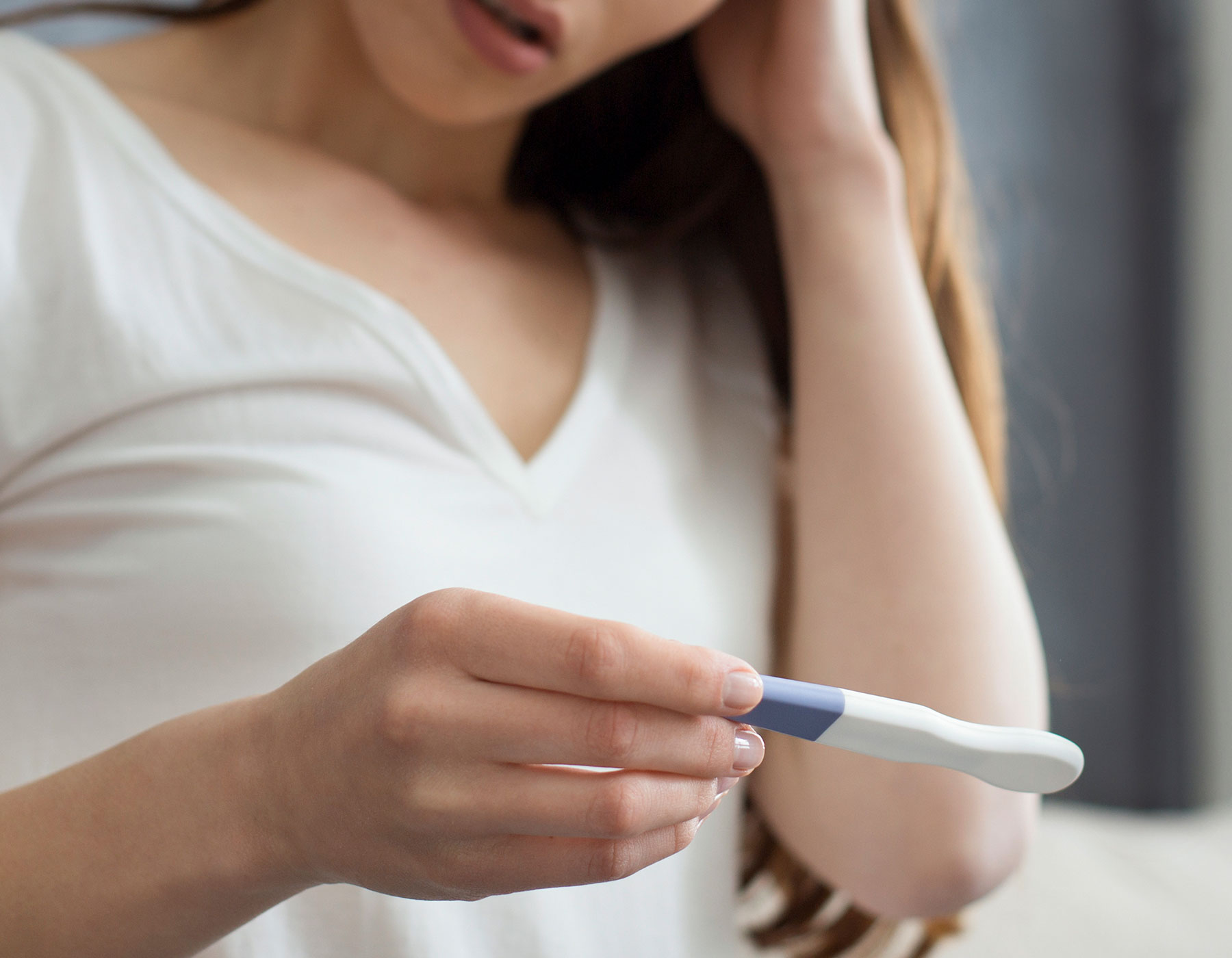
Most couples want to plan when they have children and, most of the time, fertility control is about preventing pregnancy. But what if you want a child, and conception doesn’t happen?
Most people think they will conceive almost immediately when they cease contraception. In reality, 10-15% of couples experience infertility. (Infertility is defined as an inability to conceive after 12 months of regular unprotected intercourse). Few couples are prepared when the problem happens to them.
In a couple with normal fertility, there’s a 20% chance of falling pregnant each month. After 2 years, 94% will be pregnant and the average time to pregnancy is 4 months.
Conception is a very complicated process and many things can make it difficult without it being impossible.
If you suspect you may have an infertility problem, it is much better to seek advice sooner rather than later, it could be something very simple, for example is intercourse being appropriately timed? Do work commitments mean your partner is away during the fertile time?
The Oocyte (egg) is only viable for 24 to 48 hours, so it is important to understand when you are most fertile. If all good advice has been followed with no result in 6 to 12 months then seek help sooner rather than later; call us at Coastal IVF and make an appointment to discuss your concerns.
Source: http://www.abc.net.au/science/slab/fertilty/story.htm
The investigation of infertility usually involves both partners and both should attend the interview. In the history of the infertile couple, questions relating to general health, medications, lifestyle and reproductive health are asked.
In females the menstrual history is important. Investigations may include evaluating the hormonal profile and testing to identify if cycling is occurring, to assist in this a tracking cycle may be carried out. Another way to identify a cause of infertility may include an ultrasound being performed. However a diagnostic laparoscopy is considered the gold standard for tubal function and pelvic health assessment. This is where the surgeon looks into the pelvis with a camera and make sure no adhesions, endometriosis, or other abnormality is present.
The male investigations may involve blood tests for things such as hormonal levels and other possible causes. A semen analysis may be performed in addition to counting and visualising the sperm. Other tests of sperm function may be done – such as determining the presence or absence of anti-sperm anti-bodies and trying to ascertain their fertilising potential.
Causes for the infertility can be found in a high proportion of couples. If there is a cervical problem or an ovulatory problem, or if the sperm are not mobile, an intra-uterine insemination can be performed. If ovulation is a problem, tablets or injections to induce ovulation may accompany this. Stimulation of the ovaries may also be combined simply with timed intercourse. If this is not successful after a variable number of tries the couple may proceed to more sophisticated techniques.
If there are problems such as tubal obstruction and poor sperm numbers, this treatment may be the first line. Injectable drugs stimulate multiple ovulation and the Oocytes (eggs) are collected through the vaginal wall by aspiration. The embryologist assesses the egg quality and then the sperm is added (IVF). If fertilisation occurs, embryos are grown and then one embryo is transferred to the uterus. Excess embryos can then be frozen and then thawed and used for future frozen embryo transfer cycles, (FET) as required. The number of embryos to be transferred will vary according to the clinic and the age of the patient. The success rates of each treatment option will vary with the age of the woman, the clinic and the reason for the infertility.
Infertility is a surprisingly common condition, that can cause varying degrees of stress and heartache. Treatment for infertility can be simple and easily managed with the correct diagnosis and treatment. Give Dr Paul Stokes and his specialist team a call, and they will put you at ease and assist you in achieving your desired outcome.
Source: http://www.abc.net.au/science/slab/fertilty/story.htm
Navigating the process of obtaining a working visa in Australia can be daunting. In this blog, we'll simplify the steps and key requirements, guiding you toward making your Australian work dreams come true.
Endometriosis is a common condition affecting 1 in 10 women. And up to 50% of those with presenting with infertility. Click this link for a downloadable patient information leaflet
Unfortunately for some, falling pregnant can be very difficult and a highly stressful time. Understanding ovulation and your ‘fertile window’ (the time period that you can spontaneously conceive) may help you to fall pregnant.
Choosing the right obstetrician is about more than credentials — it’s about finding someone whose expertise, approach, and communication style suit your needs. Ask yourself these five key...
Many cultures expect women to continue working during pregnancy, and it's often possible to do so with a few adjustments. Here are practical strategies to help you manage symptoms and remain...
Many men show no symptoms—but these two issues often go undetected until a fertility assessment...
With the journey of fertility & IVF an often complex and daunting one, knowing what’s right and what’s wrong in preparation for your treatment is key to ensuring you get the best outcome.
We’ve been ranked Queensland’s most successful clinic for women under 35.
Infertility affects 1 in 6 couples and often brings multiple, hidden losses—making it one of life’s most profound emotional challenges.
The 2 week wait between treatment and testing for a successful conception can be a stressful time.
Men who watch television for 20 hours per week have almost half the sperm count of those who watch very little television or none at all, according to a study published by The British Journal of Sports Medicine.
Please note that you require a referral from your GP to one of our doctors in order to access Medicare rebates.
"*" indicates required fields