Private versus Public Pregnancy Care
Navigating the process of obtaining a working visa in Australia can be daunting. In this blog, we'll simplify the steps and key requirements, guiding you toward making your Australian work dreams come true.
Unfortunately for some, falling pregnant can be very difficult and a highly stressful time. Understanding ovulation and your ‘fertile window’ (the time period that you can spontaneously conceive) may help you to fall pregnant.

Unfortunately for some, falling pregnant can be very difficult and a highly stressful time.
Understanding ovulation and your ‘fertile window’ (the time period that you can spontaneously conceive) may help you to fall pregnant.
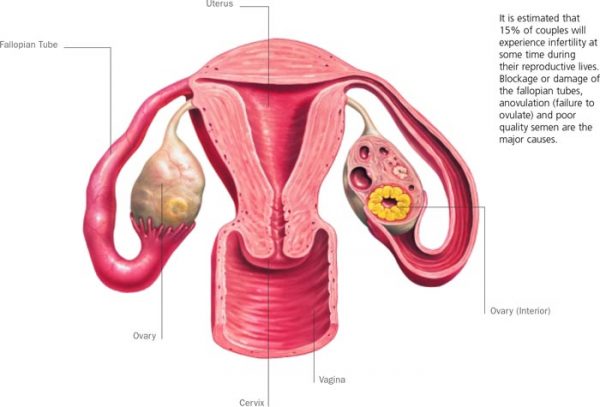
It is estimated that around 10-20% of couples will not conceive after 12 months of trying. Majority of these couples will have identifiable causes for their impaired or “sub-fertility”. With a proper diagnostic workup these causes may be identified and treated – most of the time without the need for IVF!
Sperm can be found in the fallopian tube (the site of fertilisation) as early as 5 minutes after intercourse and can survive there for up to 5 days!
An egg on other hand can only be fertilised for 12-24 hours after ovulation (the release of the egg from the ovary)
The fertile window begins 5 days prior to ovulation and ends the day after.
However, the highest pregnancy rates (~30-35% chance) occur when intercourse happens 1-2 days before, or on the day of ovulation.
Intercourse at this time results in the greatest number of viable sperm present in the fallopian tube.
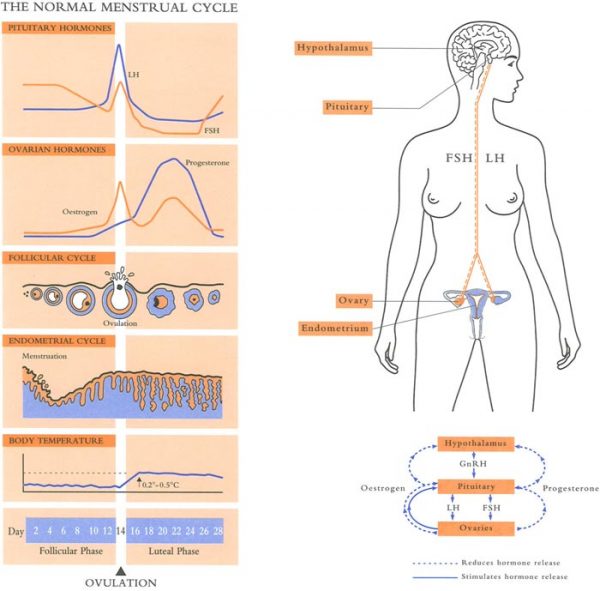
Follow these links for more information on Understanding Your Menstrual Cycle and Knowing Your Fertile Window
Navigating the process of obtaining a working visa in Australia can be daunting. In this blog, we'll simplify the steps and key requirements, guiding you toward making your Australian work dreams come true.
Endometriosis is a common condition affecting 1 in 10 women. And up to 50% of those with presenting with infertility. Click this link for a downloadable patient information leaflet
Choosing the right obstetrician is about more than credentials — it’s about finding someone whose expertise, approach, and communication style suit your needs. Ask yourself these five key...
Many cultures expect women to continue working during pregnancy, and it's often possible to do so with a few adjustments. Here are practical strategies to help you manage symptoms and remain...
Many men show no symptoms—but these two issues often go undetected until a fertility assessment...
With the journey of fertility & IVF an often complex and daunting one, knowing what’s right and what’s wrong in preparation for your treatment is key to ensuring you get the best outcome.
We’ve been ranked Queensland’s most successful clinic for women under 35.
Infertility affects 1 in 6 couples and often brings multiple, hidden losses—making it one of life’s most profound emotional challenges.
The 2 week wait between treatment and testing for a successful conception can be a stressful time.
Men who watch television for 20 hours per week have almost half the sperm count of those who watch very little television or none at all, according to a study published by The British Journal of Sports Medicine.
IVF takes its toll on your body, your emotional state and your hip pocket.
Please note that you require a referral from your GP to one of our doctors in order to access Medicare rebates.
"*" indicates required fields